How to Bid Successfully in Bank Auctions: A Complete Guide
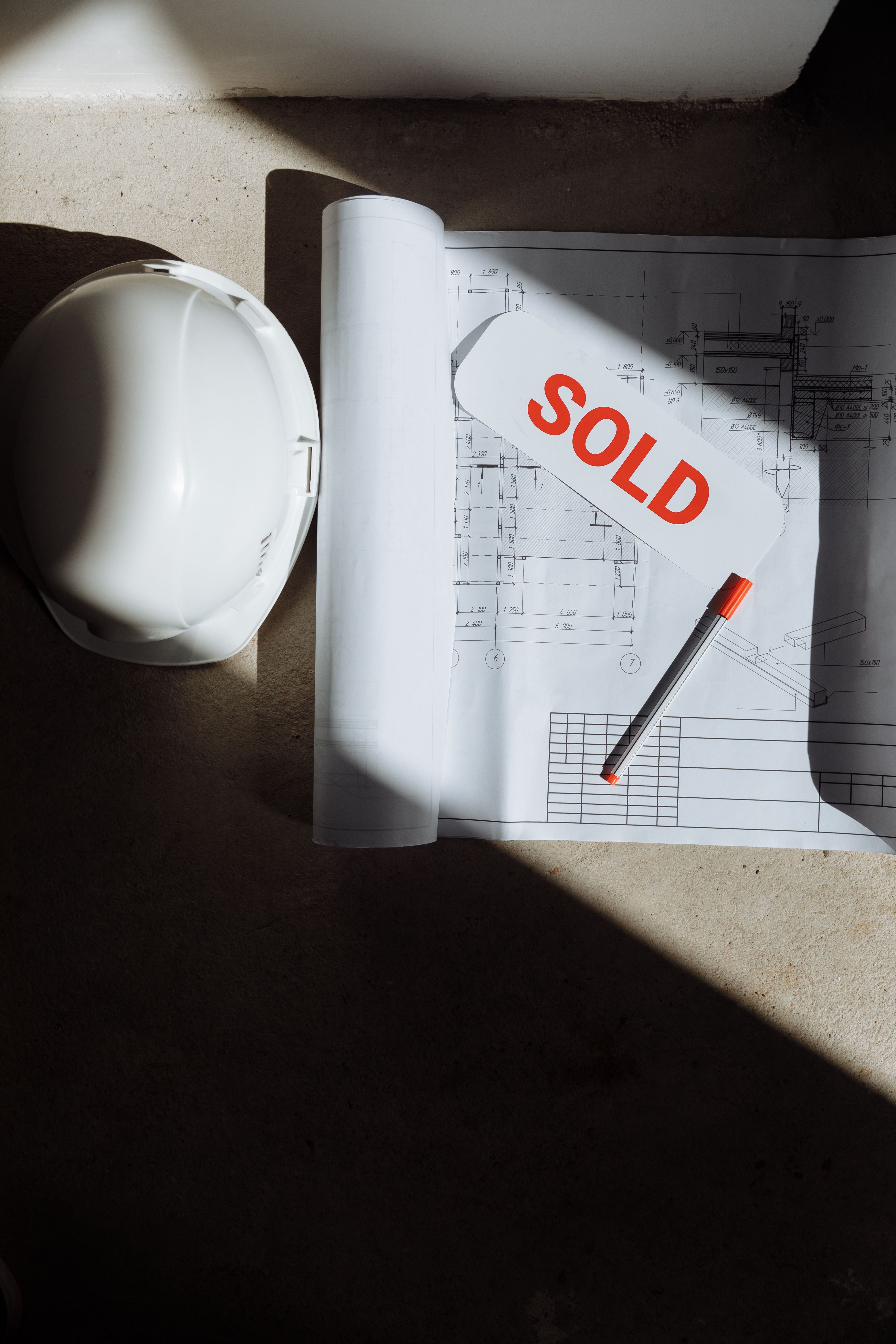
Most people think winning a bank auction is about the auction. It isn't. By the time the bidding opens, the outcome is already half-decided by the work you did, or didn't do, in the weeks before.
The bidders who lose money aren't usually the ones who got outbid. They're the ones who won a property they hadn't checked, at a price they hadn't thought through.
Bank auctions can get you a home or an investment property below market value. The discount is real.
But the process rewards preparation and punishes guesswork, so this guide walks through the whole thing in the order you should actually do it, from finding a property to holding the keys.
First, what you're buying
When a borrower defaults on a loan, the lender can take possession of the mortgaged property and sell it to recover the money, under a law called the SARFAESI Act. That sale is the bank auction. You're buying the property, not the loan, and if you do it right, you're buying it at a discount because the bank wants to recover its dues and move on rather than chase the highest possible price.
That discount comes with a catch: the property is sold "as is, where is" and "whatever there is." The bank makes no promises about its condition, its occupancy, or its dues. What you check is what you get. That single fact shapes everything below.
Step 1: Find the property
Auction listings are scattered. Public sector banks now list most of their properties on the government's unified portal, BAANKNET, launched in early 2025, and you'll also find inventory on IBAPI, MSTC, and individual bank websites, plus newspaper auction notices. Because it's spread across so many places, most buyers miss properties simply because they never saw them.
When you find something, pull the sale notice. It carries the details that matter: the reserve price, the EMD amount, the inspection date, the auction date and time, the portal it runs on, and the authorised officer's contact. Read the whole notice, not a listing summary.
Step 2: Do your due diligence before you spend a rupee
This is the step that separates a good buy from a nightmare, and it happens before you register or pay anything. Work through these:
Title
Confirm the bank has clear title to sell and the chain of ownership is clean. A lawyer should review the title documents. A property with a disputed title can tie you up in litigation for years.
Encumbrance certificate
Pull the EC from the sub-registrar's office to see registered charges, mortgages, or liens on the property over the past several years. It tells you what's legally attached to the property.
Possession status
Find out whether the bank has symbolic possession (a paper notice) or physical possession (the property is actually vacant and in the bank's control). This is the single most underestimated risk. If possession is only symbolic and the previous owner or a tenant is still inside, evicting them can take months and legal effort, and that cost is yours, not the bank's.
Outstanding dues
Society maintenance, property tax, water and electricity bills, and any other dues can carry over to you. A flat with several lakh in unpaid dues is not the bargain the reserve price suggests.
Inspect it
Sale notices give an inspection date. Go, or send someone who knows what to look for. Photos lie, and a physical visit tells you about the building, the neighbourhood, and whether anyone's living there.
Value it properly
Work out the real market value from recent sale prices of comparable properties nearby, then compare that to the reserve price. If you're unsure how to read that gap, it's worth understanding what the reserve price does and doesn't tell you before you bid. See our guide to reserve price vs market value.
Step 3: Work out your true cost and set a ceiling
Before the auction, decide the maximum you will pay, and stick to it. This number is not your bid. It's your all-in cost working backwards.
Start with what you think the property is worth, subtract the discount that makes the risk worth taking, then account for everything you'll spend on top of the winning bid:
Stamp duty on the sale certificate, which varies by state and often falls in the 5 to 7 percent range
Registration charges, usually around 1 percent
Any outstanding dues you'll inherit
Legal and possession costs, especially if possession is only symbolic
The cost of any repairs the property needs
Add those up. Whatever's left under your worth estimate is your ceiling for the bid itself. Auctions are emotional, and the whole design tempts you to bid "just a little more." A ceiling worked out in advance is the only thing that reliably stops you from overpaying in the heat of it.
Step 4: Register and get auction-ready
Once you've decided to bid, you register to participate. This is a real deadline, so don't leave it to the last day.
You'll create an account on the portal named in the sale notice, complete KYC verification by uploading your identity and address documents, and in many cases obtain a digital signature certificate, which several auction platforms require to place a bid. KYC has to be verified before your bid will be accepted, and this can take time, so start early.
Then you pay the earnest money deposit, the EMD, which is usually around 10 percent of the reserve price. This has a hard deadline stated in the notice, often a day or two before the auction, and paying it is what unlocks your right to bid. Pay it through the exact channel the notice specifies, from your own account. If you lose the auction, this money comes back to you, and it's worth knowing exactly how and when. Here's how the EMD refund process works.
Step 5: Auction day, and how the bidding actually works
Most bank auctions today are online. On the day, you log in before the start time and place bids in an open window against other bidders.
A few mechanics to know:
Bids move in set increments. The notice specifies a minimum increment, so bids climb in fixed steps above the reserve price. Your bid has to be at or above the reserve to count.
The clock extends. This trips up first-timers. Most e-auctions have an auto-extension rule, commonly five minutes: if anyone places a bid in the final few minutes, the auction clock resets by that amount, and it keeps extending until a round passes with no new bid (example, bank e-auction terms). So there is no "sniping" in the last second the way there is on some websites. The auction ends when bidding genuinely stops, not when the original timer runs out. Plan to be present and patient near the close.
Discipline wins. When two bidders get competitive, the price can run well past the reserve. This is exactly where your pre-set ceiling earns its keep. If the bidding goes above your number, let it go. There will be other properties. A property you overpay for isn't a deal, it's just a purchase.
Step 6: You won. Now pay, on time
Winning starts a strict clock, and the penalty for missing it is severe.
You pay 25 percent of the winning bid, with your EMD counting toward it, on the same day or by the next working day. The remaining 75 percent is due within 15 days of the sale being confirmed, though the bank can extend this in writing. Miss either deadline and the bank can forfeit everything you've paid. This isn't a soft rule. In 2024 the Supreme Court upheld a bank's right to forfeit the full deposit on default, holding that the "harshness of a provision is no reason to read it down" (judgment, Verdictum).
This is why Step 3 matters so much. Never bid an amount you can't actually complete on. Have your funds, or your loan approval, lined up before you bid, not after you win.
Step 7: Sale certificate, possession, and registration
Once you've paid in full, the authorised officer issues the sale certificate, the document that confirms you as the buyer. You then pay stamp duty on the sale certificate and get it registered at the sub-registrar's office.
Taking possession is the last step, and how smooth it is depends entirely on the possession status you checked back in Step 2. If the bank had physical possession, you get the keys. If it was symbolic, you may still need to go through the process of having the occupants removed, which is where a clean due-diligence trail and, often, a lawyer come in.
Mistakes that cost bidders the most
Skipping due diligence because the discount looked too good to wait on
Ignoring possession status, then discovering the flat is occupied
Forgetting to add stamp duty, dues, and possession costs, so the "discount" evaporates
Bidding without arranged funds and then defaulting, losing the deposit
Getting emotional at the auction and blowing past a sensible ceiling
Leaving registration and EMD to the last day and missing the deadline
A pre-bid checklist
Sale notice read in full, with auction date, EMD, and reserve noted
Title and encumbrance certificate reviewed, ideally by a lawyer
Possession status confirmed as physical or symbolic
Outstanding dues checked and quantified
Property physically inspected
Real market value estimated and compared to the reserve
All-in cost calculated and a firm bid ceiling set
Funds or loan approval in place
Registered, KYC verified, digital signature ready, EMD paid before the deadline
The bottom line
A bank auction is winnable when you treat it as a process rather than a gamble. Do the due diligence before you register, know your all-in cost, set a ceiling and hold it, and have your money ready before you bid. The discount is real for buyers who prepare, and the risk mostly falls on the ones who don't.
If you're eyeing a specific auction and want a second pair of eyes on the property, the paperwork, and the numbers before you commit, message us on WhatsApp with the details. We'll help you check it properly, so your first bid isn't your most expensive lesson.
Quick answers
The SARFAESI Act allows lenders to take possession of mortgaged properties when borrowers default on loans. The bank auction is the process through which these properties are sold to recover the outstanding dues.
Decade of experience covering Indian distressed real estate and SARFAESI proceedings.